Discovery Park takes up a major part of the land on Magnolia Bluff. It is the largest park in Seattle with trails, forest, meadow, and beaches for a diverse outdoor experience. Magnolia was misnamed by a military surveyor back in the 1800s because he thought that the red-barked Madrona trees that cover the hill were Magnolias.
A caveat of the Treaty was the promise that any surplus military land would be returned to the original owners. Following the Korean War, Fort Lawton was considered surplus land. In 1970, there was a nonviolent demonstration for four months by indigenous peoples led by Bernie Whitebear with supporters such as Jane Fonda and the Black Panthers to increase national attention to the cause. The result of the negotiation was that the Fort would be turned over to the City of Seattle for a public park, and the United Indians People’s Council would receive a ninety-nine-year lease for twenty acres to become a cultural center. The Daybreak Star Indian Cultural Center was completed in 1977 and is a cultural and educational magnet for visitors.
Like every piece of land in Seattle, Magnolia belonged for eons to Native Americans. The native Americans considered themselves custodians of the land. A gathering place for possibly 10,000 years. Archaeological evidence shows sustained settlements in the area with tools, homes, canoes, etc. The Euro-white invaders forced the indigenous population to reservations by the 1855 Treaty of Point Elliott with promises (still not kept) regarding healthcare and economic opportunities. The land was turned over to the military and became Fort Lawton until the 1970s.

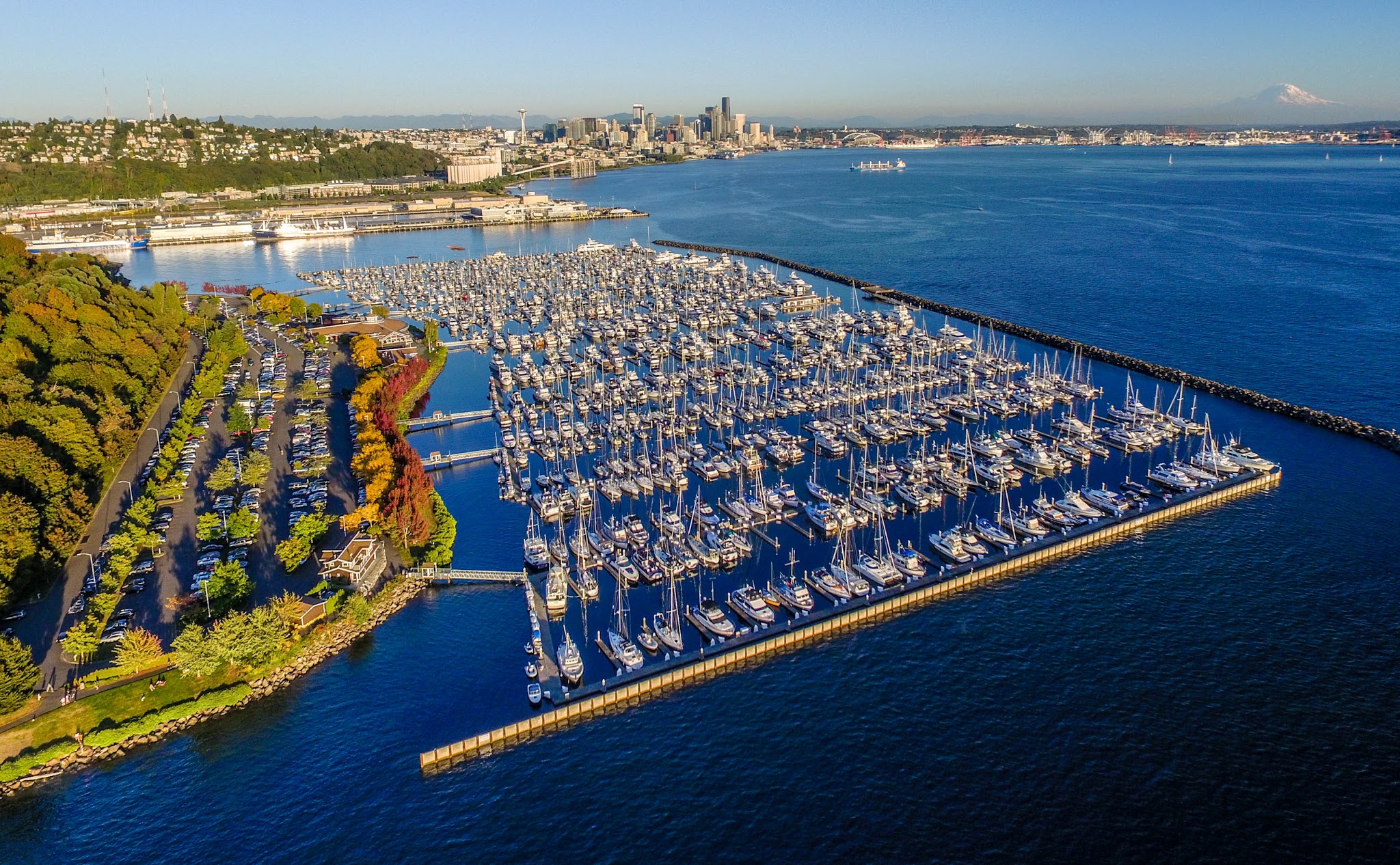
At the base of Magnolia Hill is Elliot Bay Marina where we moored our sailboat for years. It has a magnificent view to the east of downtown Seattle across the Bay, spectacular views of Puget Sound to the west, and Mount Rainier to the South. We lived aboard our boat for part of a summer while we had our house remodeled – a six-week project became three months. I remember sitting on the aft deck with a glass of wine in the evenings, the boat swaying gently with the tide, puffs of crisp sea air coming off the Sound, watching the moon rise over the Cascade Mountains and Seattle, thinking there couldn’t be a prettier sight – one of my Stockholm hostage moments. Reflection of the setting sun on windows in the city made a warm copper glow emanate from some of the buildings. Lights in the skyscrapers cast multicolored rippled beams across the water of the Bay as the sky grew darker and darker. Adorable harbor seals swam into the marina and barked at each other and boat dwellers. They are creative beggars, slapping the water to get attention and rolling on their backs, inviting gifts of food. Eagles swooped down over our boat from the tops of the madrona trees on their way hunting or fishing. Idyllic. Inner city peaceful.
Palisades restaurant at the marina is one of my favorites in the city, and their Mangorita is the best. Maggie Bluffs Café is unmatched for Sunday brunch. The king crab Benedict is unbeatable. Fisherman’s Terminal is another great spot for dining on the freshest fish. One undeniable benefit of Seattle is the fresh seafood, especially my favorite, crab. From our earliest days in Seattle, a friend of ours gave us crab that he caught near his house north of Seattle. We had mountains of crab and salmon in the refrigerator and freezer all the time. I took it for granted, even said I was tired of it. Now I crave it. I must stop the restaurant tour because I’m making myself too hungry.
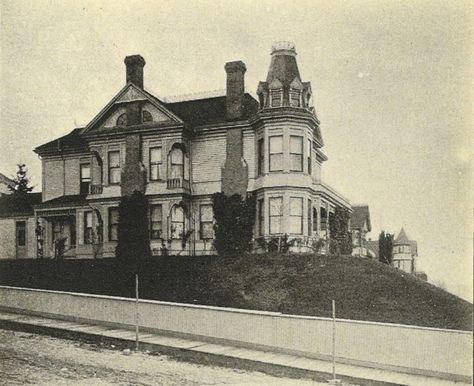
From Magnolia, we drive back southeast to Queen Anne Hill, the grand dame that looks down over Seattle and the Bay. Queen Anne is the highest hill (but not the steepest slopes) and has many of the earliest mansions built by Seattle pioneers. Lavish old homes perch on hillside lots with rounded tourettes, bric-a-brac details, and gingerbread that place them in a bygone era. Even newer built homes echo some of those details. At the base of Queen Anne to the east is Lake Union. Lake Union is lined with restaurants (which we will not visit on this trip due to hunger concerns) and nautical businesses. It is the freshwater mid-point on the canal between the Sound and Lake Washington.
A friend of ours rehabbed an old Conoco gas station into a lovely two-story home on Westlake Avenue on the hill above Lake Union with views up and down the Lake. She was one of the most creative, imaginative people I’ve known. She was also a gourmet cook and owned a restaurant in Seattle. I would extoll her varied and unique menu, but sadly, her restaurant is no more. Besides lovely lake views and boat watching, she had a view of the floating houses moored on the west edge of Lake Union. They are a unique living concept and, I’ve heard, some can be rented for a Sleepless in Seattle experience.
Lower Queen Anne on the south side of the hill is the location of the Seattle Center, the Opera House, the Seattle Repertory Theater, the Pacific Science Center, sports arenas, a live theater district, and the famous Space Needle. Ken took me to the revolving restaurant atop the Space Needle for my eighteenth birthday, and gave me a diamond and pearl ring – a promise to get engaged. And here we are sixty-two years later.
Our younger daughter lived in an apartment on Upper Queen Anne for several years. It is a distinguished neighborhood with a significant part of cultural Seattle at your feet within walking distance. I loved her apartment, embedded in an old mansion that had been rehabbed into a multiple dwelling building. It had character and charm, a perfect setting for a young writer of romance novels. Alas, she didn’t write romance novels.
Lower Queen Anne, on the south side of the hill, is the location of the Seattle Center, the Opera House, the Seattle Repertory Theater, the Space Needle, the Pacific Science Center, sports arenas, and the live theater district. It was the site of the 1962 Seattle World’s Fair. Elvis fans will remember he made a movie there…sigh. Kurt Russell was in the film, It Happened at the World’s Fair, as a little boy who kicked Elvis in the shin. Not to be missed is the Chihuly Glasshouse. If you haven’t seen the genius of Dale Chihuly glass, this is the place to explore. The Center holds so much magic it takes days to explore it all. At the edge of the Center is the Experience Music Project, now called MoPop, a spectacularly ugly structure originally dedicated to music, mostly rock and roll, but now includes symbols of modern pop culture. A monorail connects the Center to the main part of downtown. It is the location each year of the Bumbershoot Festival and Taste of Seattle. I could go on for pages about The Center. It takes days to explore it all.
Time is short, and the pages are long, so we’ll leave now. We’ve missed West Seattle and Alki Point, where our best friends lived, and the actual birthplace of Seattle. We passed by Ballard, the Scandinavian part of town, where Shilshol Bay is. Ballard is the home of all the fishermen in Seattle, and they have funny accents. Maybe that’s a little stereotyped, but it’s true, ya sure, you betcha. I’ve skipped Belltown, a waterfront neighborhood just north of Pike Place Market with lots of good restaurants and nightspots. Belltown is also the home of the P-Patch, where public gardening is offered. The next post is the last in the tour. We will visit Green Lake and the University District, and I’ll tell a smidge about our sailboat life. There will probably be other posts in the meantime. Lots of things swirling in my mind.
 wonkagranny
Best vicarious Seattle tour ever, especially the Queen Anne Hill neighborhood. What a great city!
And a progressive city. Driven partly by demands of its combined sewer/storm system, Seattle is one of the most active cities in promoting rainwater harvesting and LEED-certified building techniques.
I hope you could write about the ferries sometime.
LikeLike
Thank you for reading. I will write about the ferries. I loved our ferry excursions. Seattle is a great city. I just wish it had a better climate. But then, it wouldn’t be Seattle, would it?
LikeLike
A grand tour! I looked up the glass house place. Wow! I want to visit Seattle now just for the food. I remember that Elvis movie. I saw it many times when I was a kid.
LikeLiked by 1 person
Chihuly’s glass is phenomenal. He transformed the art of glass blowing. I hope you get an opportunity to see it.
LikeLike