A Terrific Day – The Green Valley Writers’ Book Fair

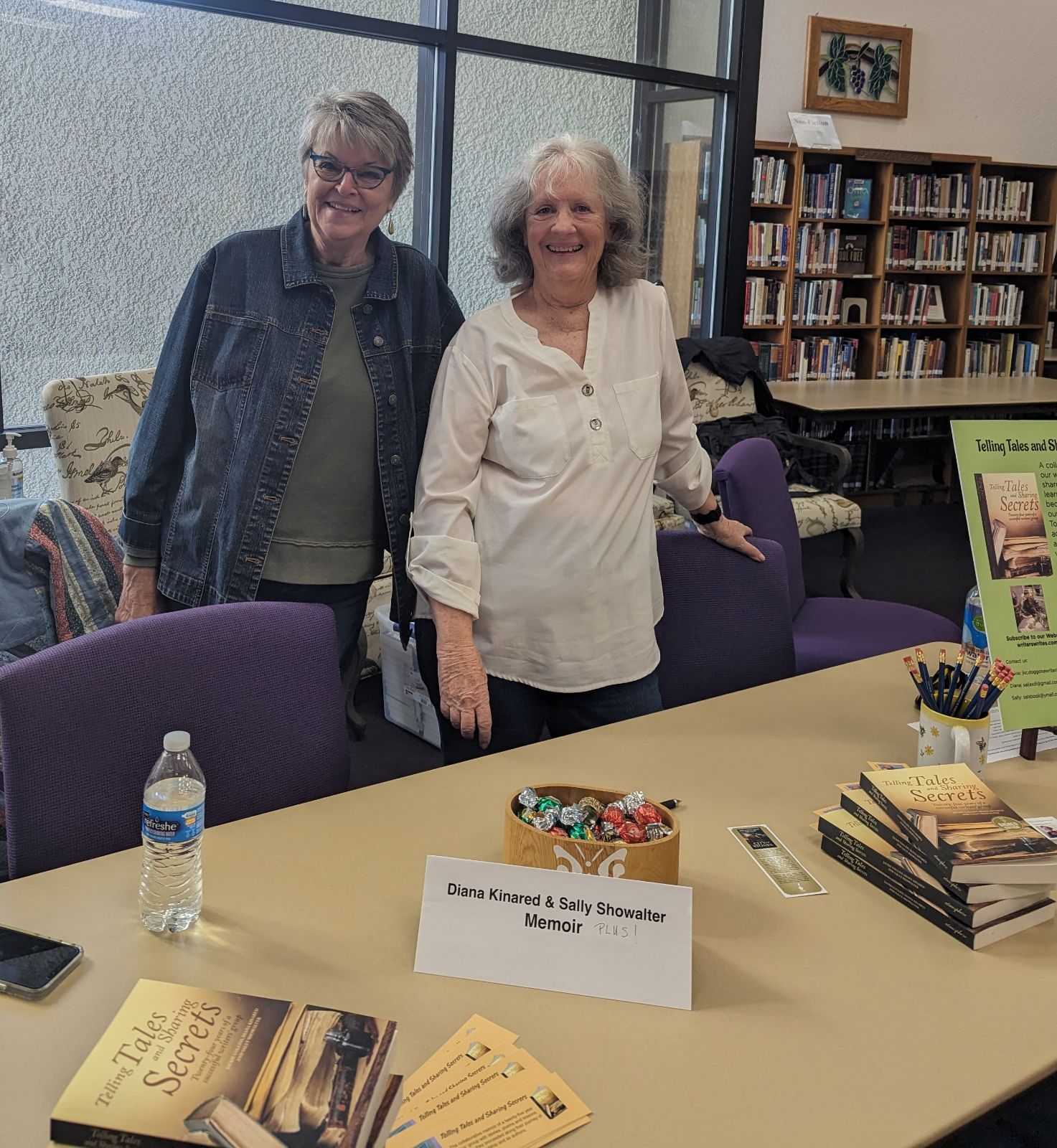
Saturday, November 25th Sally and I attended the Green Valley Book Fair sponsored by the Society of Southwest Authors to promote Telling Tales and Sharing Secrets. There were forty-four authors there, some had as many as nine different books to sell.  It was a very good turnout of book lovers/readers. Sales of our book went well but the most fun we had was talking with other writers and the readers. We connected our stories with their stories in many ways thus making our community of book lovers even larger. The three hours went like ten minutes, then we packed up and left, glowing from the experience.

I’ve listed some of the books that I saw there that really interested me and, of course, I bought a few (there go the profits). Their authors had great stories to tell.

Out of the Fog by Sandra CH Smith – a bigger-than-life adventure story. Too big for one book, she is writing a second. I wish there were pictures in it. Every page is another ah-ha or oh! my goodness. This is definitely a true adventure that should be made into a movie – but who would believe it?

One Mile at a Time by Marie (Midge) Lemay and Suzanne Poirier. This book is a synopsis of the travels of two sisters who left everything behind to travel the continental U.S. in 2009 in a Honda CRV named Gypsy. They planned to travel for 12-18 months but ended up continuing for 21 months with the mantra “One Mile at a Time”. This story is dear to my heart because they traveled the “blue roads” just as our family did in our 14-month journey around the U.S. in 1984-85. Those are the roads less traveled, through small towns instead of freeways through major cities. Blue Highways by William Least Heat Moon is one of my very favorite books and inspired our travels.

A series of John Santana Mysteries by Christopher Valen. I love mysteries. I have not read this series, but I peeked into a few of Chris’ books and they look like they will be interesting reads. They are on my TBR shelf.

My compatriots at the Oro Valley Writers’ Forum cannot be forgotten. Wonderful authors all. I’ve read many of their books and highly recommend them.

Karen Admussen – Moon of Many Names. A year of poems

Wes Choc – four titles- his true life adventures in the world, and a fascinating biography of a spy from WWII whom he personally interviewed.

David R. Davis – six books of short stories and poetry

Brad D’Emidio – Sometimes the Turn. The story of a woman who emerges from the shadows of a difficult past.

Debra VanDeventer – Out of the Crayon Box. A memoir of a lifetime as an educator and the transition to retirement

Telling Tales and Sharing Secrets

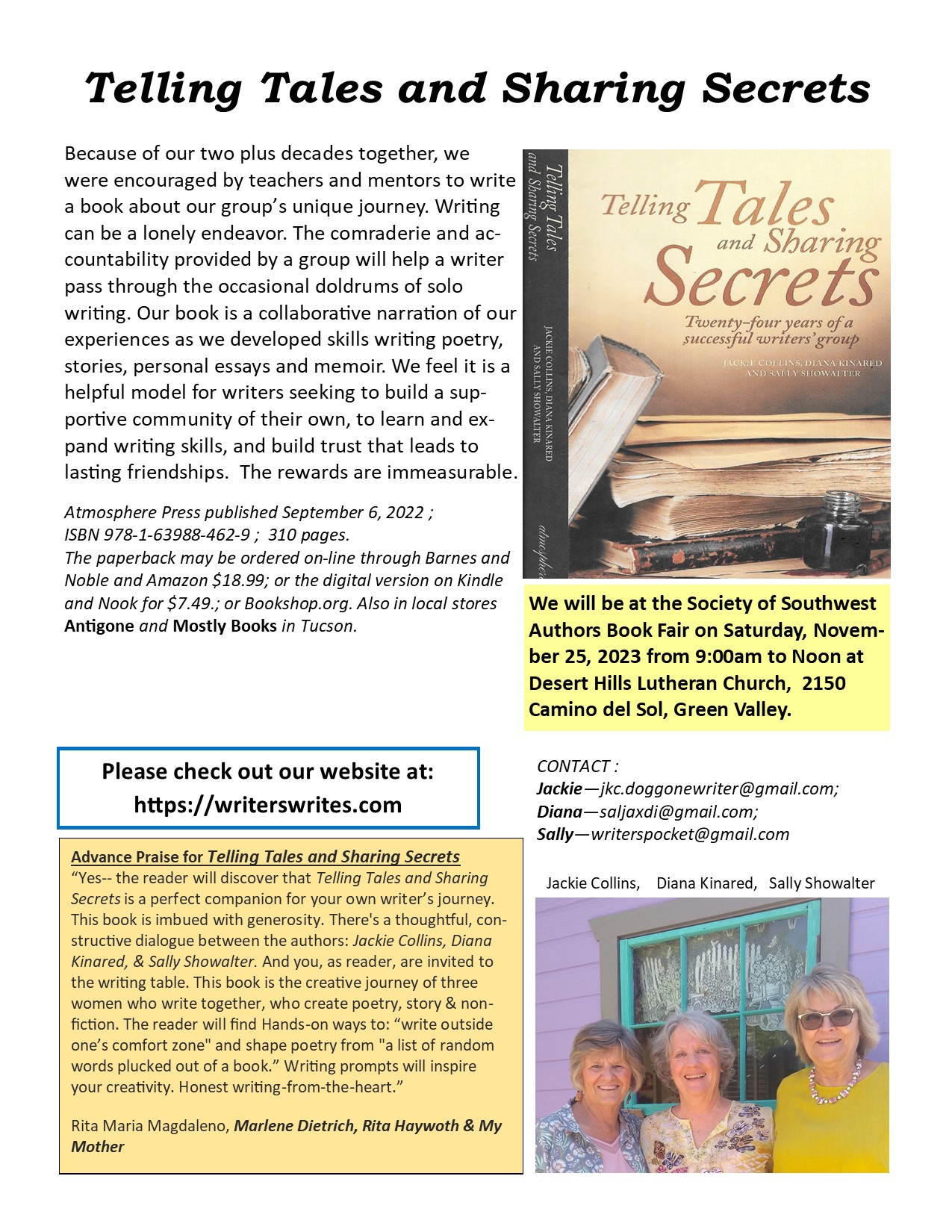
Our writers’ group published a book a year ago, Telling Tales and Sharing Secrets, about the fun and challenges of being a writers’ group. It is a collaborative memoir that spans two-plus decades of friendship and writing. Besides being a memoir, our book includes prompt ideas, tips to keep a group together, stories, poems, and essays by the three of us. This coming Saturday, November 25, Sally and I will be at the Society of Southwest Authors Book Fair to meet and greet, sell, and autograph books. Previously we were invited to participate in the Tucson Festival of Books last March 2023. It was fun talking with folks who read our book, learning how they used our tips with their groups. We get a big kick out of sharing our story and encouraging other writers to start support groups like ours that will further their writing goals. The third member of our writing trio lives in Colorado and is not able to be with us this time. If you are in the Tucson vicinity, please come join us at Desert Hills Lutheran Church in Green Valley between 9 am and noon. There will be other local writers with a variety of books to sell. Below is a link to our book on Amazon and Barnes and Noble. It can be purchased digitally or in paperback.

Effie’s Trinket

When writing, to clear your mind, it is sometimes fun to find a prompt that stretches your imagination, gets you out of a rut, and lets your brain breathe. This story is what came to me instantly from a prompt to write a one-page story, poem, or essay about a trinket, a twenty-minute write. Now there are endless possibilities in that direction. What is a trinket? Is it a treasured bobble given you by your grandmother? Is it a fun reminder of a trip to the fair? or to Italy? Sometimes I need to be flexible about the one-page directive. Many stories are handwritten so the “one-page” doesn’t count because I transcribe them to computer. Then one–page can be fiddled by changing margins and font size unless otherwise restricted. The idea though is to be free, unloose your imagination. Let yourself go.

Effie’s Trinket

“Euphemia.  Euphemia. Come in for supper,” her mother called from the screen door into the backyard.

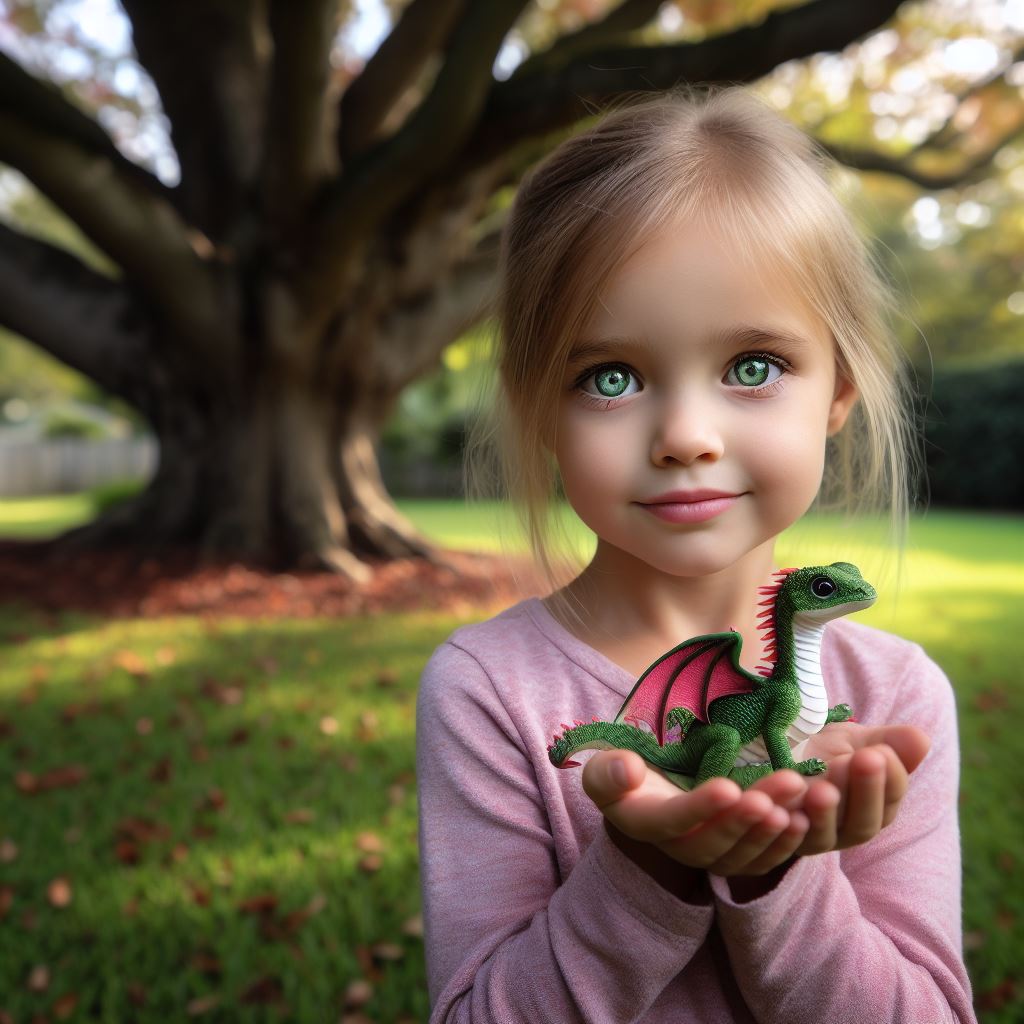
Effie scrunched down so she couldn’t be seen from the back porch. Old Elmer’s giant arms embraced her, fanning his huge green-gold and orange leaves to conceal the girl’s hideaway. Effie’s stomach gurgled. It had been hours since she ran away from home and maybe she was a bit hungry. She held Trinket in her two hands, cooing to him. “We don’t need food, Trinkie. We’ll live on moonlight and magic.” Trinket nuzzled his spikey head under her chin, his grey-blue eyes blinking as he stared up at her.

Effie’s mom went back into the kitchen, the screen door slamming behind her. “Go ahead, sit down. I’ll give her another five minutes and then we’ll eat,” she said to her husband Eustis and son Micah. The round oak kitchen table was set for four. Food waited on the stove top to be served. Glasses of honey mead, diluted by water for the children, were in place.

“Ma, I’ll go find her,” said Micah.

“You’ll stay just where you are,” Eustis proclaimed. “You’re the reason she walked out this afternoon. Why did you have to tease her again about her dragon?”

“Aww, Dad. She’s nine and too old to be carrying around a baby dragon. I’m embarrassed when my friends see her.”

“Well, son, you may be a mature fourteen-year-old now but it wasn’t all that long ago you rode your unicorn, Cool Whip, up and down the county road. I think you were about Effie’s age when you told us he took you over the moon one cloudless full-moon night.”

“Euphemia Jane. It’s time to eat. I made chicken pizza and mashed potatoes with butter and bacon bits.” Dorothy called again from the back door.

She scanned the yard for a sign of her daughter. Effie had a habit of running away when she was mad. She had never wandered beyond the boundaries of their two-acre property but there was always a first time. Dorothy looked at the shed, a common retreat. Blackberry vines that covered the building didn’t look disturbed. In summer, Effie would come in with scratches on her arms and legs from reaching for the ripest fattest berries. Her fingers, her mouth and tongue would be stained royal purple. But it was autumn, not the season for blackberries. She glanced up at Old Elmer. The tree sat halfway between the shed and the vegetable garden. There, about a quarter of the way up the seventy-foot colossus, she saw a glimmer of pink. Effie’s pale gold hair glowed pink in red rays of sunset.

“Euphemia Jane Charles, come down this instant. Bring Trinket with you. Your brother will leave him alone.”

The empty feeling in Effie’s tummy and her aching legs from being crouched for so long as well as her mother’s promise that Micah would leave Trinket alone persuaded her to shimmy down the tree with the baby dragon secured under her arm. “Thanks Elmer,” she said as her toes touched the soft cushion of fallen leaves beneath the tree and she set Trinket on the ground. She started to walk toward the house but the golden cord that tethered Trinket to her ankle became taut. Trinket cocked his head, lavender wings folded tightly against his body, refusing to follow her.

“Com’on, Trinkie, let’s give Micah one more chance. He didn’t really mean it when he said he would take you away and drop you at the end of the earth. I won’t let that happen even if I have to carry you always. You’ll be getting bigger and pretty soon he won’t be able to bully you. Your wings are almost strong enough to carry you where he can’t reach you. One of these days your fire starter will work and it will serve him right if you give him a little scorch. She bent down and picked Trinket up cuddling him close to her chest. He gave a little snort, a happy snort, waggled his pink and purple scales, and settled in her arms.

They went in for supper.

The End

I gave this story to a friend for comment, not about grammer but about the flow of the story. He is a serious writer/researcher.
His comment was, “So, is Trinket a stuffed animal? Or a cat?”
“What do you mean? Trinket is a dragon,” I replied. “It says it pretty clearly.”
“Oh,” says he, and that was the end of his comments.
It is useful to remember that a reader filters your stories through their experience. They may have a completely different interpretation of it than was your intent.

The whole idea of writing from a quick prompt is to exercise a separate part of your brain and give yourself the freedom to explore topics from different, hopefully, fresh angles. You may find a nugget of something useful to your main project in those musings.

I am blessed with dozens of people who live in my head. They are generally unobtrusive unless called upon to inhabit a story. I also don’t know where their names come from. I don’t recall ever hearing the name Euphemia or Effie before. Once these people have been let out, they become a part of my mind-family. I’m never lonely. I know them all so well. For instance, Eustis, in this story is a very real character to me. He has tomato-soup-red, short, curly hair, black-framed glasses, and is a scientist who works for a small chemical company in the mid-west. He always has a slight grin on his face as though he is observing life through bubble glass. He hums a little song frequently with part of the chorus “I got Memphis blues, right down to my shoes.” I don’t know if that is a real song or not. It just popped into his head. Although he is a minor character in this story, he may reappear in a different story at a different time with his unusual family. That is unless they all expire from his wife’s cooking. I cannot imagine serving such a meal to my family.

Another person I wrote a story about is Hannah, a black woman born in the late 1890s who is a baker in Wickenberg Arizona in the 1920s – 30s. I know all about her childhood and her family who were sharecroppers in Mississippi, and slaves, a generation before that. I know her journey to independence as a businesswoman. I’ve seen (in my imagination) the headstones of the family in the county cemetery. She has an amazing story to tell. One day I may put it on the blog. These people are very real to me but they are all born from my imagination. Sometimes I think I should put a disclaimer on my stories like the old TV shows that says, “Any resemblance to persons living or dead is purely coincidental”.
When Will the World Be Finished?

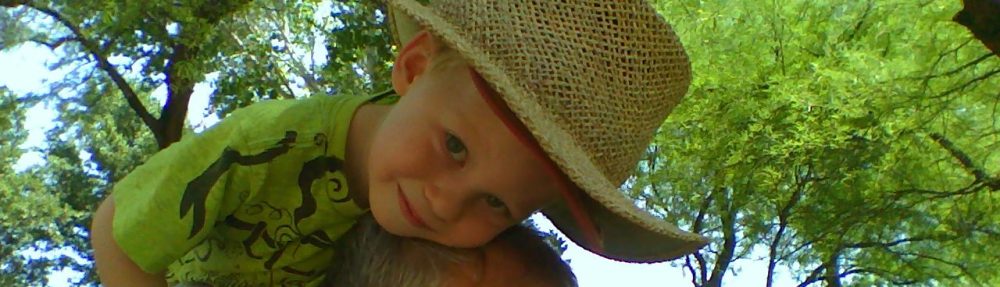
I find a three-year-old to be the most interesting companion. They are full of curiosity and have learned the art of conversation. One morning my son and I were running errands around town, we passed through a construction zone with a crew of men digging a trench on the side of the road.

Casey asked, “What are those men doing?”

We had been through several areas with large machines and workers, and I had gone through explanations about making a ditch to put in sewage pipes, and preparing a new place to build houses for people. Each answer elicited another barrage of questions. What is sewage? Why do we need sewers? Why do people poop? Why do roads need to be fixed? How many houses are going to be built? Who will live in them? Can we meet them sometime? Do those men put their machines in their garage at night? Can we live in one of the new houses? Can Glenny and Johnny come live next door? Each question led to another. Most I could answer easily. We passed a new high-rise being constructed and a bridge being reinforced. Now we were detoured through lanes as a road was under repair. 

“Mommy, when will the world be finished?” That question put a pause on the talk, talk, talk.

What a concept – a finished world, a static world, a world without change. This was not a throwaway answer. I always welcomed his curiosity as he learned about the world around him. This question required more thought. Never – is the easy answer. But to a three-year-old that doesn’t cut it. Why? Why? Why? Are the follow-ups. As we paused in our journey delayed by the construction, we discussed how things like roads have a purpose and, when they are used, they wear out just like his beloved blanket that was now in shreds, even after many rebindings, but still a constant companion at bedtime. Sometimes buildings are made and then need to be changed for bigger or better buildings. We discussed the nature of change as the seasons change. How flowers bloom sometimes but not always, and leaves change colors. He was only old enough at that time to really have memory of one complete year of seasons. We talked about how he changed, learning to walk, learning to use the toilet, learning new songs and words. As a person he will change as he gets older. Someday he will be big like Daddy and have his own family. Because of all those things, the world will never be finished. It is always evolving/revolving.

I can liken that to my writing. When is a story finished? I spend hours writing only to find, after review, it needs to be changed. Even a short essay requires review and editing. I usually write something then put it away for a day or two and revisit. I wake from sleep with a brand new line for a story that was born in my unconscious. Many of my stories remain in my computer or, if handwritten, in my file cabinet. If they are to be published, they will be revised and revised before other eyes see them. I always think of different ways of saying something or other words to use to reveal a character or action.  I don’t believe I have ever reread a piece of my writing that I haven’t wanted to change something. Even in the book we published last year, I go back and find so many lines that need to be rewritten. I’ve talked to other writers who feel the same. There is a point when “it is good enough” is the only way to actually produce a “finished” story or poem.

Just like the world, my stories are never really finished. What you read is just the latest iteration.

Six Sentences

Our Oro Valley Writers’ Forum recently challenged the members to write a story in six sentences. I took up the challenge. It is fun to practice writing in a variety of ways. There were no restrictions as to genre or topic. Below is my story.

In the darkness of the midnight hour, the lines clang against the main mast as the little sloop, Step Two, is released from anchor and begins to float out of the cove in a rising tide. The jib unfurls in the freshening wind from starboard. She sets the wheel aiming toward open waters, then bends to her task. Her back and shoulder muscles strain as she heaves the body overboard, head first, and watches it slice through the inky waters into the deep along with the bloody knife. She exhales a deep sigh of freedom realizing he’ll terrorize no more. Light from the quarter moon creeps from between clouds casting shadows across her scarred face.

A few months ago I wrote another six sentence story for an on-line challenge. This is that story. It is titled Bi-polar. I feel I must add that it is not auto-biographical. I shared it with some in my writing group and they immediately expressed sympathy for me. I had to explain it was made up but comes from observation, reading, and listening to other people’s stories.

It comes without warning, unexpected, expected, furious, fierce, brittle, hateful. It goes the same, expected, unexpected as sweetness returns. calm consideration and laughter. My lover is possessed by a djinn called by many names, bi-cycles, bi-polar cycles, stealthily stealing love. I am thrown as from a swiftly moving car into brambles of pain, reason unknown, known, unknowable. My heart is calloused, trust gone an unbridgeable distance, leaving shredded tatters of love with only a gossamer thread remaining. The darkness of her despair, unreachable, unclaimed grasps my helpless heart building an unbreachable wall between.

Fiction is based on so many things from a writer’s experiences, reading, and research. While there may be tiny pieces of me in my fiction writing, it is mostly made up in my head. It is the inhabiting of other realities that makes writing fun for me. Some of them are dark. Some are ridiculous and some are funny. These two examples are on the dark side. I don’t think anyone thought the first story was autobiographical…but you never know. I have owned a sailboat.

Change * My Last Post on A Way with Words blog

As my dear husband reminds me whenever I am flummoxed by events that modify my circumstances, “The only constant is change”. The world is always in flux. Change is life. We are not the same, day in and day out, because our lives are not static. We live in an ever-modifying world, shifting conditions and changing views. As we get older our bodies transform as do our wants and needs. Change brings growth even when we don’t immediately realize it. Change is a catalyst for learning about ourselves, others, and our world.

What I’m getting at is there is a change on the horizon with me and the A Way with Words blog. This is my last post as a regular blogger. With the permission of Sally and Jackie, I will occasionally be a contributor. Our friendship remains intact. I will always be grateful for their generous friendship and their mentorship. We spent many years learning to write together and now we are going separate ways as writers.

I established my own blog site Wonkagranny, a grandmother’s perceptions of the universe through stories, poems, and life observations. I will write posts on that site beginning September 1st.  I do not feel that I can maintain an effective presence on two blogging sites at the same time. I am writing short stories and essays that may or may not ever be published. Publication has never been a goal for me, but some of those stories and poems will be linked on my Wonkagranny site. My past posts from A Way with Words are archived on Wonkagranny.

I deeply appreciate all those who read and comment on our mutual website and I hope you will join me on my personal journey with words.

What I’m getting at is there is a change on the horizon with me and the A Way with Words blog. This is my last post as a regular blogger. With the permission of Sally and Jackie, I will occasionally be a contributor. Our friendship remains intact. I will always be grateful for their generous friendship and their mentorship. We spent many years learning to write together and now we are going separate ways as writers.

I established my own blog site Wonkagranny, a grandmother’s perceptions of the universe through stories, poems, and life observations. I will write posts on that site beginning September 1st.  I do not feel that I can maintain an effective presence on two blogging sites at the same time. I am writing short stories and essays that may or may not ever be published. Publication has never been a goal for me, but some of those stories and poems will be linked on my Wonkagranny site. My past posts from A Way with Words are archived on Wonkagranny.

I deeply appreciate all those who read and comment on our mutual website and I hope you will join me on my personal journey with words.

We Must Risk Delight

Originally posted on A Way with Words blog

I read a lot, usually two or three books at a time. I’m now reading the Collected Poems of Jack Gilbert, The Phone Booth at the Edge of the World by Laura Imai Messina, and The Story of a Happy Marriage by Ann Patchett. I’m also rereading Rules of Civility by Amor Towles for book club. Prompted by the poetry of Jack Gilbert, I am finding much needed messages in each book. Our world is in turmoil. Human beings are being cheated, chained and tortured, enslaved and murdered, and there is still good in the world. We must celebrate those pockets of delight. It is not about denying the strife of living, it is about acknowledging the wonder of life. I am alive. I have pain, I am alive. I have problems, I am alive. There will always be human suffering, but even the poorest barefoot women at the public fountain in a war-torn country find occasion for laughter. Celebrate the wonder of being alive.

In Jack Gilbert’s poem A Brief for the Defense, he says, “We must risk delight. Not enjoyment. We must have the stubbornness to accept our gladness in the ruthless furnace of this world. To make injustice the only measure of our attention is to praise the Devil.”

I finished reading Demon Copperhead by Barbara Kingsolver. I was reluctant to start reading it after learning the topic, thinking it would be a complete downer. But it was for our book club, so I dove in. What made a story about the downtrodden and drug-addicted in Appalachia an enjoyable read was the resilience of Damon, the main character. No matter what life threw at him, he found a way to make lemonade from lemons – to survive, even thrive. A victory of the soul over circumstance.

The Phone Booth at the Edge of the World explores grief, seemingly unrelenting sorrow without being overly sentimental or self-pitying. It is about two survivors of the tsunami of March 2011 in Japan who lost their dearest loves and find hope and laughter in their memories and in their survival.

I finished rereading Rules of Civility by Amor Towles. In it the storyteller, Kate sees two photos of a former lover in a gallery. The first shows Tinker dressed in a suit looking very dapper and successful; the second is of Tinker in rags but with a light in his eyes. A glow that the first photo did not show. It was a riches-to-rags story. Kate explains to her husband that the second photo, taken years after the first, was of Tinker happy without the chains of society’s expectations dampening his spirit. Tinker’s character is summed up later by his brother Hank. “Wonder. Anyone can buy a car or a night on the town. Most of us shell our days like peanuts. One in a thousand can look at the world with amazement. I don’t mean gawking at the Chrysler Building. I’m talking about the wing of a dragonfly. The tale of the shoeshine. Walking through an unsullied hour with an unsullied heart.” Tinker rediscovered delight. I love Amor Towles’s way with words.

Another poem Falling and Failing by Jack Gilbert is about divorce. He opines that divorce should not be considered a failure. It is the memories of the love and time together that are celebrated in his poem. The first line reads, “Everyone forgets that Icarus also flew.” The last line is, “I believe Icarus was not failing as he fell, but just coming to the end of his triumph.”

“Life is just a bowl of cherries” as the song says. Some are sweet, some sour, and some have pits. “Don’t take it serious, life’s too mysterious.” Stubborn gladness is more than happiness. It is a choice, the decision to see the juicy wonder in life and toss the pits.

July in the Desert

Originally posted on A Way with Words

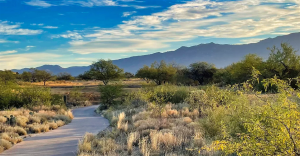
Saturday started in the usual way, up at 5 am as dawn cracked the horizon, then a walk through Vistoso Trails Nature Preserve, a 202-acre former golf course that backs to our property and connects with other open spaces in our town.

A rambling six-mile trail (former cart path) winds through open areas and trees offering beautiful vistas of the Catalina Mountains as well as local wildlife. Birds of all kinds chatter in the trees declaring the news of the day as we walk along. Roadrunners and rabbits skitter across the paths in a hurry to go to breakfast. Animals and humans stay a respectful distance from one another. The wildlife does not seem frightened or threatened by people passing through their home.

Yes, it is hot in southern Arizona in July, but not so hot that nature cannot be enjoyed in the early hours. We are lucky to live in this amazing environment. The trails are busy with walkers and a few bikers until about 9 am when temps start to climb and everyone retreats to air conditions homes. Monsoons are on the agenda for this month yet none have arrived. They will certainly be welcomed when they do. They bring drama to our Sonoran Desert and much needed rain.

Later in the morning, Sally and I met at our town’s newest bookshop, Stacks Book Club, a long-awaited addition to the Oro Valley Marketplace. Wow! We were impressed. The owners, Crispin and Lizzy, have done a great job creating a comfy ambiance, a gathering place. They are open from 7 am to 8 pm every day and offer a variety of coffee drinks, teas, energy drinks, beer, and wine – something for every time of day – plus an assortment of pastries and sandwiches, and BOOKS. Their opening weekend drew over 1,000 people. Crispin said it seriously reduced their inventory of books which they are busy upgrading. The bookshop is a real bonus for our community.  I’m sure they will do very well. We plan to visit often. It is a great place for a writers’ group to meet to discuss individual projects and have a cuppa.

Check out Stacks website: Stacks Book Club.

That was my day – from bobcats to books to baseball (on TV). Dodgers beat the Mets, Angels beat the Astros, and Tigers beat the Mariners. Then a happy hour hosted by our neighbors, Joyce and Rick. Perfect!

A Writer’s Best Friend(s)

Originally posted on A Way with Words blog

Sally, Diana, Jackie

Last October I wrote a blog post called “Writers Need Wingmen” about the importance of writers’ groups. Writing is a solitary task but a writer’s mission is to connect with other people through their creative calling. Our book, Telling Tales and Sharing Secrets is a collaborative memoir of our group as we learned from a variety of writers how to craft prose and poetry to make it an enjoyable experience for readers. After all, readers are the consumers of all our efforts to communicate. In the last year since our book was published, I made the acquaintance of more writers, some have created their own critique groups. Our Oro Valley Library hosts a forum twice a month with up to twenty-five or thirty authors and would-be authors. We talk about our experiences with the writing, editing, and publication processes. It is a valuable asset for writers.

Before you get an agent, before you get an editor, before you find a publisher, you need to produce a novel, short story, memoir, or poem that showcases your talent at its best. A strong support for a writer, especially one that is starting out, is a small critique group with four to six people; other writers who take your endeavors seriously and comment on what works and doesn’t work when you send your creative emissaries out into the world. Writers’ groups develop over time as you learn to trust someone else’s opinion. Others in the group are not there to change your story, poem or essay or rewrite it, but to help you give it the best polish, to make a great impression.

One of the publishers we interviewed before we published our book gave us very valuable insight. He said we were writing to each other, not the world at large. Our group has been together for over twenty-four years so we know each other very well and understand how we each work. He said some of our memoir left out details that WE knew but to which readers were not privy, the important backstory. In other words, we weren’t telling the whole tale. A wake-up call. We got busy filling in the details to make our story more accessible.

A writers’ group is designed to do that for each member. Our book has suggestions for creating a group and general rules that make it work. We wrote together, learning how to create story and build characters, even in memoir writing. We held each other accountable to do their best work, to communicate fully.

One of the writers I came to know this last year is Debra VanDeventer. She wrote an engaging book with humor about the transition from thirty-seven years as a devoted teacher to joining the real world, Out of the Crayon Box – Thoughts on Teaching, Retirement and Life. She has a blog site, Seams Like a Story. As the title of her blog hints, she is a seamstress and weaves bits and pieces of her other creative endeavors into her writing posts. Yesterday, she wrote in her blog about her critique group and what it means to her and her writing. I recommend you read it and then, if you are interested in furthering your writing, get a copy of our book to start your own group.

Books

Originally posted on A Way with Words blog

Painting by
Sally Rosenbaum

An accessory to being a writer is being a reader. The love of words, whether my own or those of others I admire, is part of the suit I inhabit in the world. I have a library of over 1,000 volumes, hardback and paperback, most in my writing room/library/cat boudoir. There are books in every room of the house. My husband claims every horizontal surface has books on it. I have read most, reread many. Some are on my To Be Read list that I acquired at too-good-to-miss sales at the library and elsewhere. I wonder at times if my library is a subliminal guarantee of eternity as in, I cannot die until I’ve read every book I own. I don’t think so, but it has crossed my mind.

My husband, a man of action not a reader, has come to terms with the love-me-love-my-books attitude and helped transport boxes and boxes from one abode to another over the years. He does not understand the obsession. “Why keep a book you already read?” is his repeated refrain. “Because I love them” is my reply. Even if I don’t reread an entire book, I go back to visit characters or scenes I like. I use books as references or inspiration when I write. My books have sticky notes and penciled notes in them.

I made a promise (lightly made but mostly kept) to stop adding to the library when I discovered Kindle and Audible. Now I have over 600 Kindle books and nearly the same number of audiobooks that don’t have to be moved in boxes. Two-for-one offers and Kindle free are my downfall. I discovered the digital checkout system, Libby, at the public library and use it for book club books I don’t have and don’t want to purchase. I read two or three books concurrently. The three most recent are Trinity by Leon Uris, Since Then by Sheila Bender, and Lessons in Chemistry (audio) by Bonnie Garmus. Love them all.

I discovered, because of GoodReads, another place to hoard books. It is my “Want to Read” list that feels nearly as satisfactory as a TBR list. I read a review or see books my friends read and put them on the WTR list. It’s free and doesn’t take up space in my home.

a corner of the library
A corner of the library

Once, several years ago, I decided to organize my library and get rid of books I didn’t NEED. I took every volume off my shelves and put them in the middle of the room in stacks by category. My grandson, then about four, wandered into the room where dozens of stacks reached heights nearly to his shoulder. “Wow, Grandma, you must have a million books”.  I, with the coldness of a butcher, put piles of books to be discarded in a corner of the room. Then I asked my best buddies to come over to pick through and take the ones they wanted. We packed up the remainders and I had them take them to the library or Bookman’s or Good Will or wherever they chose. I knew if I took them, I’d end up bringing a few (or many) back because I’d rethink my attachment. I don’t miss them, and I don’t think I repurchased any of them. I didn’t keep a list. My library is again disorganized because I fail to put books back in their assigned place (even with the best intention). Maybe it’s time for reorganization and purge?