This was written from a prompt for the critique group I’m in. The prompt was to rewrite something from a favorite children’s story, add to the story or change it in some way. At the same time I was considering the prompt, Hurricane Helene struck the East Coast. The two ideas came together as I wrote.
Don’t Judge a Book by It’s Cover.
Alice was snuggled close, her head on my chest. Her hand on my cheek.
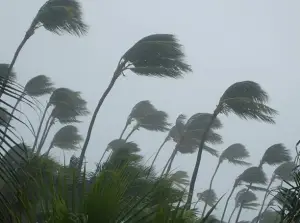
“I can’t sleep Grammy,” mumbled the toddler who had been fast asleep for four hours. Slivers of lights from passing cars and trucks flashed through a wedge in heavy curtains at the window of our motel room. The roar of trucks on the highway, a sound that made the room quiver, woke her. I was amazed she slept as long as she had. We were on the way to my home in Georgia and stopped for the night to get respite from the very stressful day. Hurricane Gianni had torn through the Florida town where Alice, her Dad, and Mom lived. I had been staying with them for a long weekend. The storm tracker indicated that Gianni was due to hit only the edge of land about one hundred miles south of their town. Suddenly it took a swing northward and inland, a giant locomotive ripping through San Colima. Tyler, my son, and his family live on the edge of town and were not in the direct path but the debris from the leveled town flew into their neighborhood. A grand piano crashed through the roof and landed in the middle of Alice’s bedroom. Fortunately, we were all in the underground hurricane shelter at the high school. We returned to their house to find the devastation. Luckily only two rooms had been seriously affected, Alice’s and the guestroom where I stayed. Wind and water had done more damage through the open roof, but the house was mostly intact.
“Take Alice and go back to your house Mom, Tyler said. “We’ll stay and help our neighbors then come up to get her when things are sorted out.” We hastily put things in a bag for Alice and I packed up a garbage bag with soggy clothes from my battered suitcase.
There was no electricity or water when we left to drive the three hundred miles to my home in Georgia. After a couple of hours on the road, the trauma of the day caught up with me and I needed to rest and regroup. I stopped at several motels along the highway but they were all full of people fleeing inland from the hurricane. The old Flamingo was the only motel with a room available. It had seen better days but at least it was a refuge for the night.
“This room is at the end of the building close to the road,” the clerk said. “It can get a bit noisy when trucks drive by.”
Beggars can’t be choosers. I was in no shape to continue driving and Alice was cranky even though she had dozed off and on as we traveled toward Georgia. “I’ll take it. I’ll only be here a few hours, then back on the road again.”
It was about 4 am, I had rested but only snoozed a bit as I held Alice close. She began to squirm and whimper. “Grammy, I’m hungry.”
“OK Lambkins, we’ll get back on the road as soon as it’s light and find a place for breakfast. I have an apple and graham crackers for you now. Come snuggle and have a snack until then.”
“Read me a story,” she said.
“What story do you want?” I knew perfectly well which one she would ask for. We had hurriedly tossed some of her favorite books in her bag along with a couple of stuffed animals and what dry clothes we found under the smashed dresser in her room.
“Alice in Wonderland,” she said. It was the book I read to her at least twice each time I stayed with them or when she came to visit me. In the four years of her life, she must have heard it five or six dozen times either by me or her parents reading. She knew each page and would correct us if we read it wrong or missed a word. Sometimes she would ask for just one scene. “Read the tea party, or read who stole the tarts, or off with their heads.” She would say when told there wasn’t time for the whole story.
“Gotta go potty,” she announced.” I retrieved the book with its colorful cover of Alice and the Cheshire Cat, the Queen, and the White Rabbit, from her bag while she went to the bathroom.
She came back to the bed, stopping to grab her pink and brown giraffe that had been her crib companion since she was born. It went everywhere with her.
“Ok. Where shall we start?”
“All the golden afternoon,
Full leisurely we glide;
For both our oars, with little skill,
By little arms are plied..,” *
My Alice started with the beginning poem as she nibbled on a cracker.
I opened the book and started to read. It had been tossed about in her room. Some of the pages were crumpled and water damaged but the hardback book was mainly intact. Something wasn’t right though. Glancing at the rumpled pages I noticed pictures I didn’t remember being in the book, but I began.
“…when suddenly a white rabbit with pink eyes ran close to her…followed by three little pigs.” I read. And there on the page was a picture of the white rabbit in his tight-fitting plaid jacket and three little pigs dressed in red, blue and yellow jackets following close behind.
“Grammy, there aren’t three little pigs in this story,” Alice objected.
“Look at this picture.”
She glanced at the page. “Hmmm,” she said and settled back on the pillow.
Then as poor Alice in the book shed a pool of tears because she couldn’t get out of the hall, she heard footsteps running and looked up to see a wolf dressed in a red cape. She peered out from behind the curtain that hid the door to the garden. “What big eyes you have,” said Alice to the wolf. “The better to see you with, my dear,” said the wolf.
“Grammy, that is the wolf from Red Riding Hood. How did he get into Wonderland?” Again, I showed her the illustration and again, she accepted the modification with no comment.
And on and on, the book had characters from Peter Rabbit, the Frog Prince, the giant from Jack’s Beanstalk, Snow White, and the three Billy Goats Gruff. Some attended the tea party with the March Hare and the Mad Hatter, some played croquet with the Queen, and some showed up at the King’s court to defend the Knave of Hearts.
Every once in a while, Alice would stop me reading to peer at the pictures – strong evidence that what I was reading was true because the illustrations verified the words. “Grammy,” she said. “I think the hurricane jumbled my storybooks.” As the story ended, Alice had fallen back to sleep, snoring lightly, clutching her giraffe. I, too, was able to close my eyes and fall asleep. Restoration and renewal for a new day, a new adventure, a new Wonderland.
*Alice’s Adventures in Wonderland, Lewis Carroll

 wonkagranny